De-risking device selection – why choose UniSpray for Naloxone rescue applications
Published: 13/04/2026
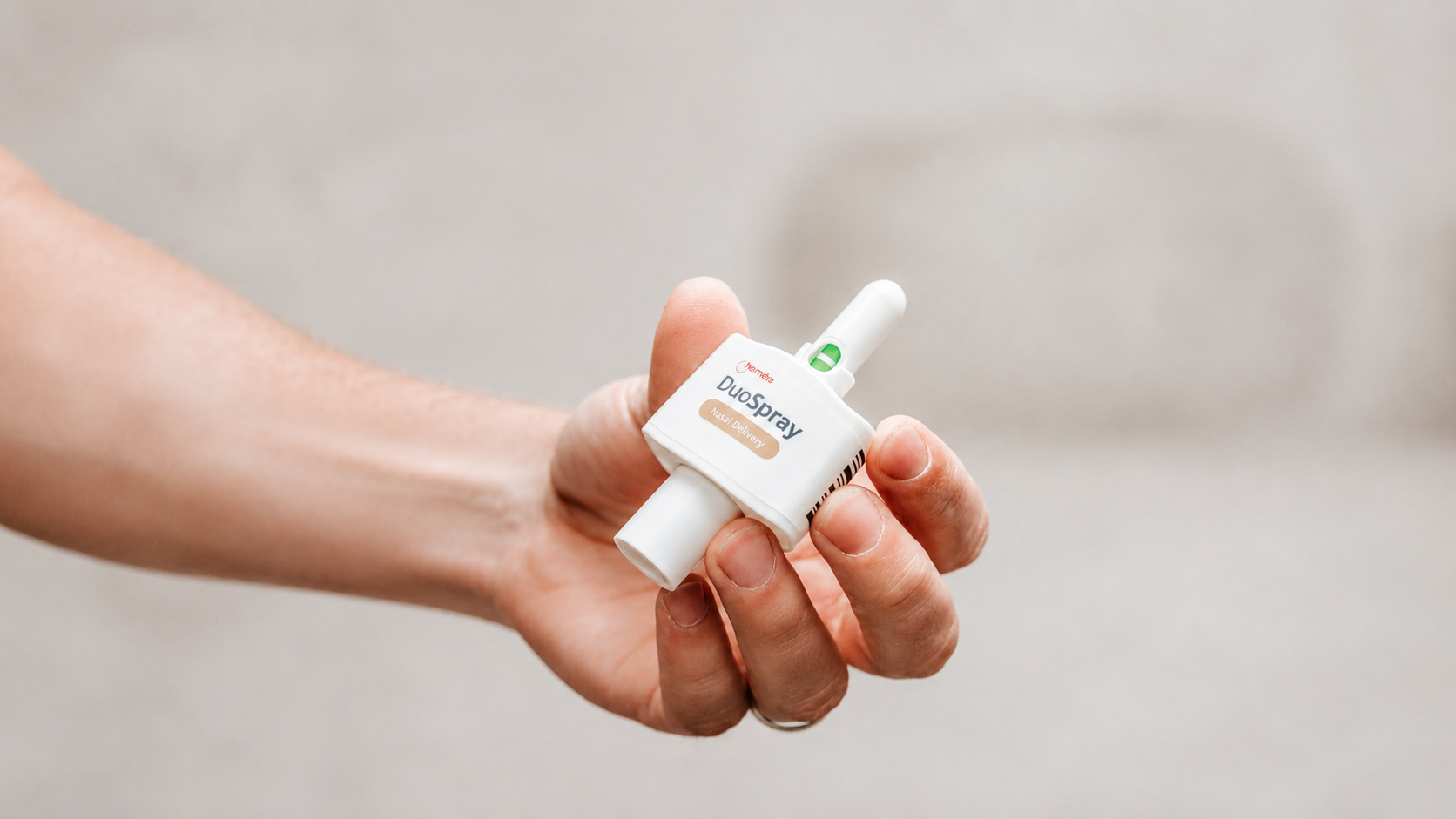
Elsie Thomas of Nemera explains why UniSpray is a robust nasal platform for generic naloxone, based on anCevidence-driven approach that combinesCusability studies, threshold analyses and interchangeability assessments, and how it ensures safe and reliable performance, intuitive use, and regulatory acceptability in real-world opioid overdose rescue situations.
Naloxone nasal sprays (such as Narcan®[i] product marketed by Emergent) are over‑the‑counter, life‑saving products designed for the rapid reversal of opioid overdoses, including those caused by heroin, fentanyl and prescription pain medications. They act within minutes to restore breathing, and their widespread community availability has expanded dramatically in recent years as part of public health overdose‑prevention strategies.
Developing generic versions of naloxone nasal sprays is essential to ensuring broader accessibility at a lower cost. However, because Narcan® is a complex drug–device combination product, manufacturers must demonstrate far more than pharmaceutical equivalence: they must also prove that intended users — often laypeople in high‑stress emergency situations — can use the device safely, intuitively and without additional training compared to the Reference Listed Drug (RLD), in this case Narcan®.
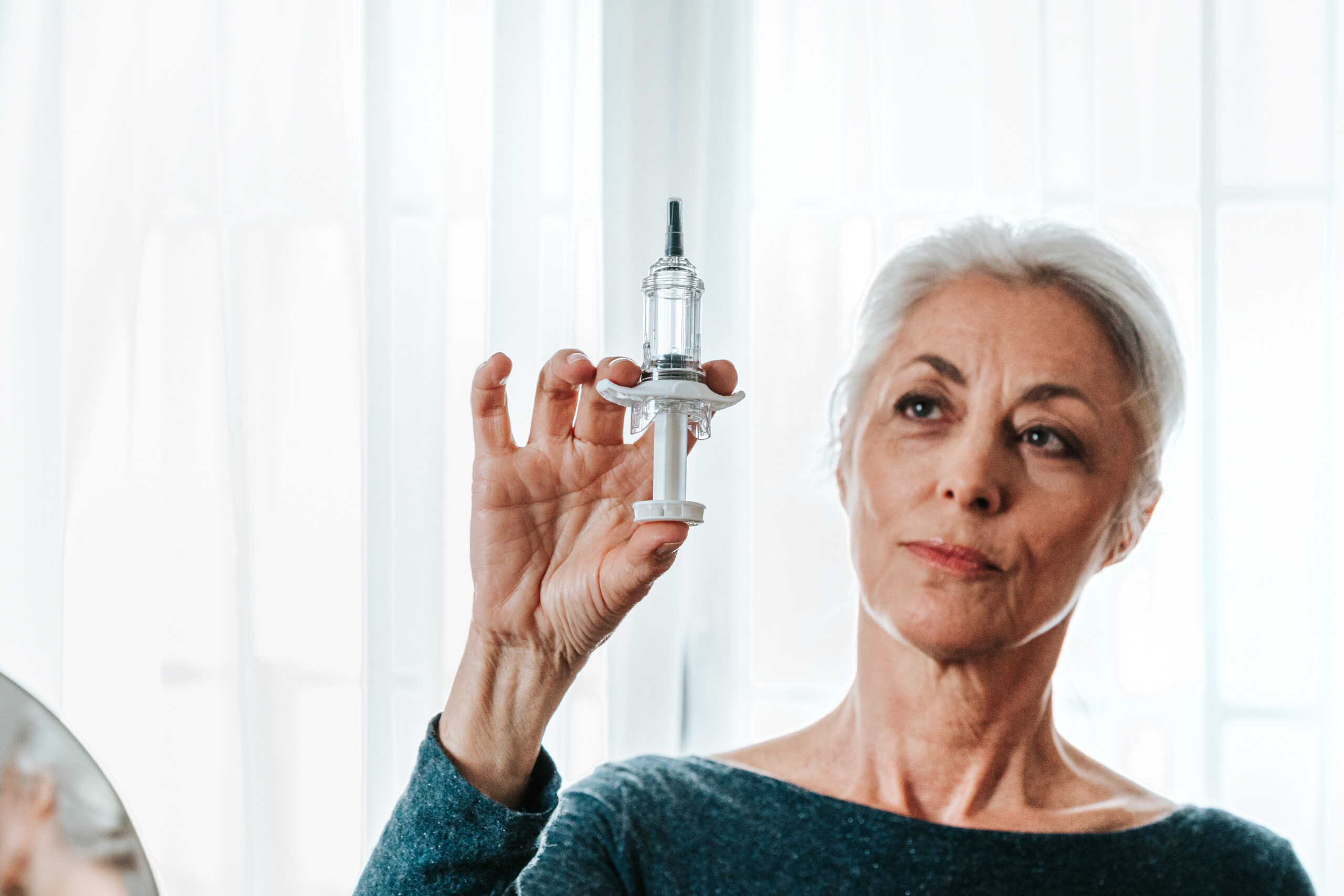
Generic developers frequently rely on platform nasal unit‑dose devices offered by device manufacturers. These platforms may originally have been designed for other molecules or indications and therefore may exhibit structural differences compared to the RLD. Determining whether such differences introduce use‑related risk requires a rigorous, evidence‑based methodology combining usability evaluations, threshold analysis and interchangeability assessments.
In this article we explain how Nemera applied these complementary approaches with UniSpray to derisk device selection and support regulatory readiness for generic naloxone applications.
1. Usability Studies — can users operate the device safely and intuitively?
Usability studies determine whether intended users — without prior training — can perform all critical steps correctly under simulated real‑use conditions.
For UniSpray:
- 20 participants aged 26–75 years completed six administrations each (three on a dummy, three self‑administered).
- 100% successfully activated the device and completed all essential steps.
- Users did not attempt/were unsuccessful to remove the plunger after activation, confirming the robustness of the integrated safety mechanism.
These results demonstrate that UniSpray enables intuitive, reliable, error‑free use across a representative population — a fundamental requirement for combination products for the prescribed for emergency and rescue situations like naloxone nasal sprays for overdose indications.
2. Threshold Analysis — do design differences introduce new user risks?
Threshold analysis is a structured, comparative assessment used by generic drug manufacturers to determine whether any differences between a platform device and the RLD introduce use‑related risks; it includes.
- Physical comparison: nozzle geometry, plunger design, finger flange, materials, shape, contours.
- Task analysis: mapping each user action to identify any step potentially impacted by design variations.
- IFU and labelling comparison: ensuring no ambiguity or additional instructions are required.
In assessing UniSpray as a suitable platform for generic naloxone, the threshold analysis identified one visible difference: the absence of the “arch”, removed to reduce the amount of single-use plastic, present on the Narcan® RLD device.
This feature was evaluated comprehensively and demonstrated to provide no critical user benefit for gripping, positioning, activation or dosing. The analysis confirmed that users can operate a device without the arch at the same performance level.
Regulators in the USA were consulted and confirmed that UniSpray is similar to the Narcan® device and that—provided all other attributes remain aligned—no Comparative Use Human Factors (CUHF) study would be required. This significantly reduces development burden, cost and timelines for generic applicants.
[i] NARCAN® is a registered trademark of Emergent Operations Ireland Limited.
To read the full article: Pulmonary-Nasal-ONdD-Apr-2026-Nemera